
Lifting a heavy load with a crane requires more than strength and careful movement. Operators must know where the load is, what is happening around it, and whether anything is blocking its path. But what happens when part of the lifting area is hidden from view? Even a small blind spot can create a serious safety risk.
This is where crane camera systems make a real difference. They give operators a better view of areas they cannot easily see from the cab, making it easier to guide loads and work safely.
Why Are Blind Spots a Serious Concern During Crane Operations?
Imagine lifting a large steel beam at a busy construction site. The operator can see the beam from above, but its lower side or landing area may be hidden. A worker, vehicle, or other equipment could be nearby without the operator knowing.
These hidden areas are called blind spots. They can make even a simple lifting task difficult.
Some common reasons crane operators face blind spots include:
- Large loads: Wide or heavy materials can block the operator's view.
- High lifting points: When a load moves higher, it may become harder to see its exact position.
- Limited cab visibility: Crane structures and other equipment can block certain viewing angles.
- Busy work areas: Workers, vehicles, and materials can move around the lifting zone.
Without a clear view, operators may need to depend more on hand signals or radio instructions from ground workers. While communication is important, having a visual aid can make the process easier.
How Crane Camera Systems Improve Visibility
A crane camera system gives operators an additional view of the lifting area through a screen inside the cab. Instead of guessing what is happening behind a load or below a lifting point, they can check the camera feed.
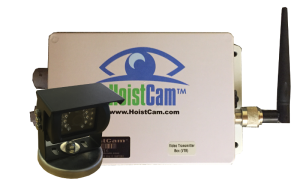
A Wireless Camera System for Cranes is especially useful because it can send video without requiring long physical cables between the camera and monitor.
Here is how these systems support daily lifting work:
1. They show areas hidden from the operator
Cameras can be placed in useful positions to capture areas that are difficult to see from the cab. This may include the load, hook, lifting point, or landing area.
2. They help operators position loads
Placing a heavy load in a specific spot takes care and control. Camera views help operators check the load's position and make small adjustments while lowering it.
3. They support better communication
Operators and ground workers can use camera views along with hand signals and radio communication. This gives everyone a better chance of understanding what is happening during the lift.
4. They reduce guesswork
When operators can see more of the lifting area, they have better visual information to guide their decisions. This can make lifting tasks more controlled and organized.
Where Do Crane Camera Systems Make the Biggest Difference?
These systems can be useful across different lifting environments, especially when visibility is limited.
- Construction sites: Operators can monitor loads moving near building structures, scaffolding, and other equipment.
- Industrial facilities: Cameras can support lifting work in areas with machines, storage racks, and limited working space.
- Ports and shipping yards: They can improve visibility when moving large containers and materials.
- Warehouses: Operators can get a better view when placing heavy goods in specific storage areas.
The camera setup should match the crane type, lifting task, and viewing needs of the site.
Camera Systems Work Best With Proper Safety Practices
A camera does not replace an operator's training, judgment, or communication with the lifting team. It is an additional tool that supports safer decisions.
For better results, crane teams should:
- Check camera angles before starting the lift.
- Keep camera lenses clean and free from dirt.
- Make sure wireless signals and screen connections work properly.
- Continue using trained signal persons and approved lifting procedures.
- Follow the crane manufacturer's safety guidelines.
A clear camera view is useful only when the equipment is working correctly and operators know how to use it.
Summary:
When operators cannot see the full lifting area, even a small movement can become difficult to manage. The right camera setup gives them a clearer view, supports communication, and makes it easier to guide loads into position.
For additional lifting visibility and load monitoring, choosing the right equipment matters. Along with a Wireless Camera System for Cranes, the GC018 18K Wireless Load Cell can support load monitoring by providing wireless weight readings. Together, these tools can give crane teams better information during lifting operations and support more informed decisions on site.